Henrik Flores · 9 October 2026
The Dynamics of Content Curation Algorithms in Emerging Independent Media Networks
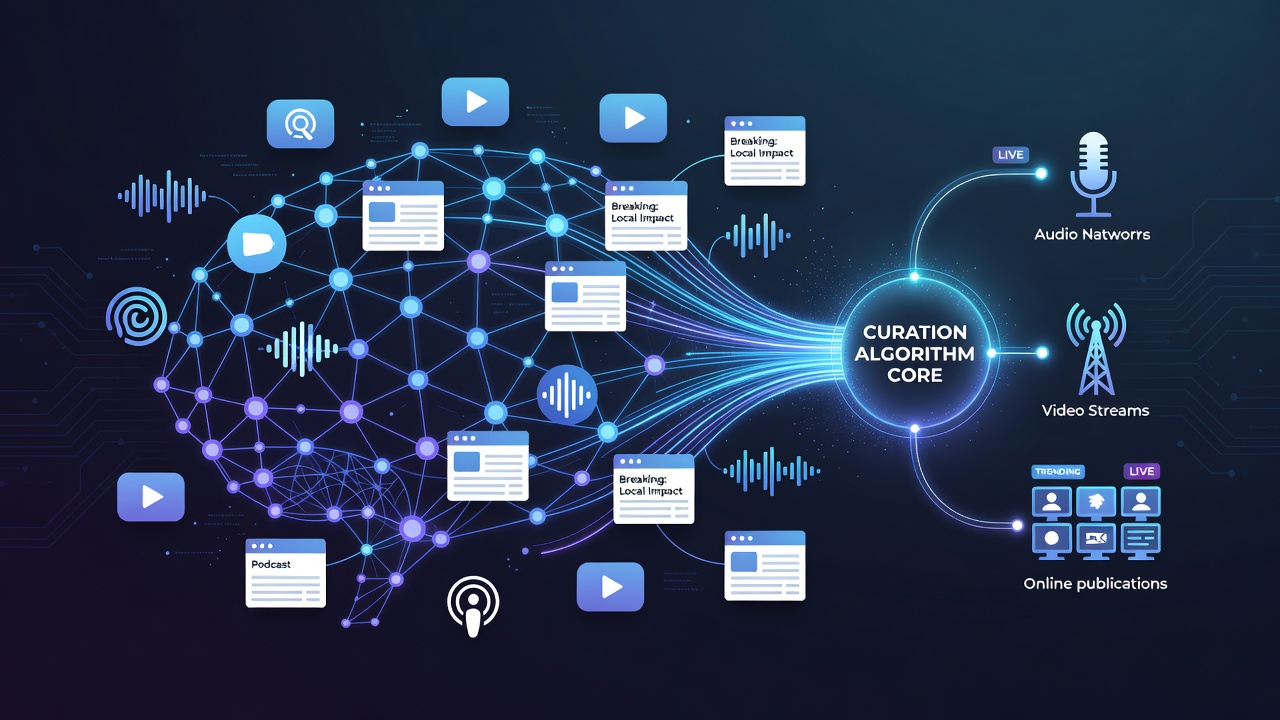
Content curation algorithms operate as automated systems that select, rank, and distribute material across digital platforms, and in emerging independent media networks these tools determine which stories reach readers through signals drawn from user behavior, engagement metrics, and network connections. Researchers track how these systems process vast quantities of posts, articles, and multimedia files while applying machine learning models that adjust recommendations in real time, and data from multiple studies shows that independent creators rely on such mechanisms because centralized platforms often serve as primary distribution channels for niche publications.
Independent media networks consist of decentralized sites, newsletters, and community-driven outlets that operate outside traditional corporate structures, yet they integrate with algorithmic feeds on services ranging from social networks to aggregation tools. Experts note that these algorithms prioritize content based on predicted relevance scores calculated from historical clicks, dwell time, and sharing patterns, while recent platform updates as of October 2026 have introduced stricter transparency requirements around recommendation logic in several jurisdictions. Studies conducted across North America and Europe indicate that smaller outlets experience traffic fluctuations when algorithms shift parameters, and this occurs because the systems favor established accounts with higher baseline engagement levels.
Core Mechanisms Driving Algorithmic Selection
Algorithms in these environments employ collaborative filtering techniques that compare user profiles against similar audiences, and they combine this approach with content-based analysis that evaluates keywords, metadata, and visual elements within posts. Observers have documented how reinforcement learning components test variations in ranking to maximize session duration, and figures from academic reviews reveal that independent networks often adapt their publishing schedules to align with peak algorithmic visibility windows. Those who manage niche sites report that metadata optimization and consistent posting frequency influence how often material surfaces in recommended feeds, although exact weighting remains proprietary to each platform operator.
Geographic diversity appears in regulatory approaches, with Australia's eSafety Commissioner publishing guidelines on algorithmic accountability in 2025 that require disclosure of ranking factors for certain digital services, and Canadian research institutions have examined similar issues through longitudinal data collection on content reach. These frameworks encourage platforms to provide users with options to adjust personalization settings, and evidence from compliance reports suggests that such features alter exposure patterns for independent publishers by surfacing a broader range of sources.
Interaction Patterns Between Algorithms and Independent Creators
Independent media operators interact with curation systems through analytics dashboards that display performance indicators such as impression counts and referral sources, and many adjust editorial strategies based on these metrics to maintain visibility. Data indicates that cross-promotion across multiple networks can amplify reach when algorithms detect coordinated activity within trusted clusters, whereas isolated posts tend to receive lower priority in feed rankings. One analysis of traffic patterns demonstrated that community interactions, including comments and reposts, serve as secondary signals that boost algorithmic distribution for emerging outlets.
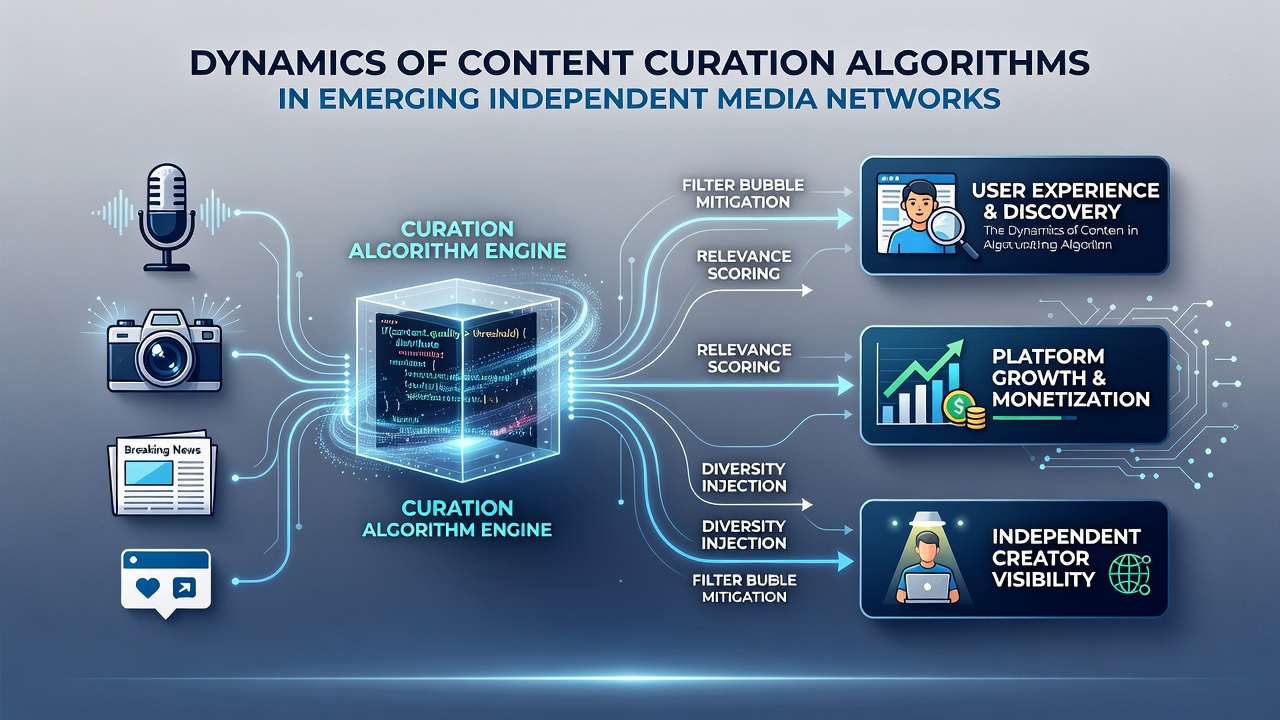
Platform policies evolve continuously, and as of October 2026 several major services have implemented audit trails for content moderation decisions tied to curation outputs. Researchers at European academic centers have mapped how these changes affect smaller networks by comparing pre- and post-update reach statistics, revealing that transparency tools allow creators to identify which signals most strongly influence their placement. Industry organizations focused on digital publishing have compiled case examples where outlets diversified their content formats to test algorithmic responses across different media types.
Data Influences and Network Effects
Quantitative assessments show that engagement velocity, measured as interactions per unit of time after publication, heavily influences algorithmic promotion within independent ecosystems, and this creates feedback loops where early traction generates sustained visibility. Reports from research institutions document variations across regions, with North American platforms emphasizing velocity metrics more prominently than counterparts in other areas. Independent networks that participate in shared data cooperatives gain access to aggregated insights that help calibrate content strategies without relying solely on individual platform analytics.
External factors such as regulatory shifts and infrastructure changes also shape these dynamics, and observers track how updates to data protection rules alter the types of user information available for model training. OECD digital economy reports provide comparative statistics across member countries that illustrate differences in algorithmic governance approaches. Those studying media systems note that such variations lead to distinct content flows depending on the primary platforms used by regional audiences.
Conclusion
The interplay between content curation algorithms and emerging independent media networks continues to develop through iterative technical refinements and policy adjustments. Evidence collected through ongoing research demonstrates measurable impacts on distribution patterns, audience discovery, and operational decisions for independent creators. Continued monitoring of these systems across multiple jurisdictions supplies the data needed to understand evolving selection processes and their consequences for decentralized publishing environments.