David Patterson · 25 September 2026
Navigating Reader Retention Challenges Through Iterative Feedback Cycles in Specialized Online Communities
Initial Patterns in Community Engagement
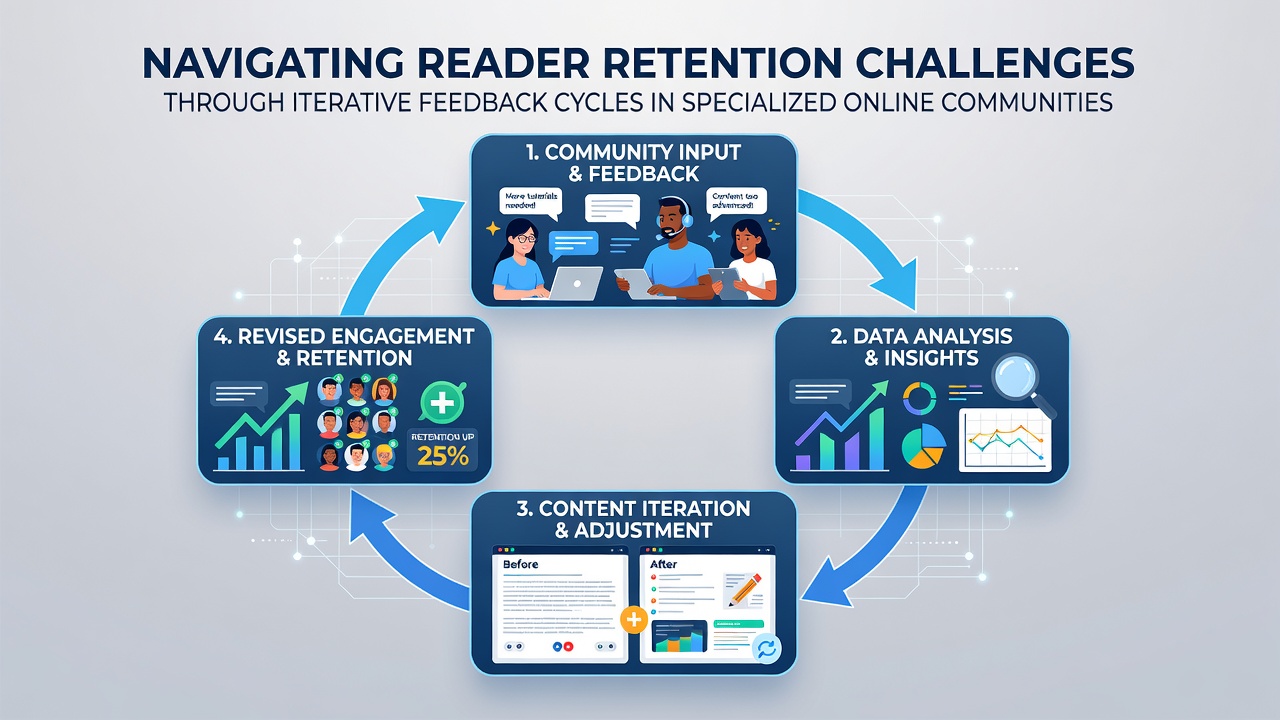
Specialized online communities often encounter retention difficulties when members disengage after initial participation periods, and researchers have documented these trends through longitudinal tracking of forum activity and subscription metrics across multiple platforms. Data from digital engagement studies shows that drop-off rates accelerate when content fails to align with evolving user expectations, while iterative feedback mechanisms allow moderators and organizers to adjust posting schedules, topic selection, and interaction formats based on direct input collected via polls, comment analysis, and periodic surveys.
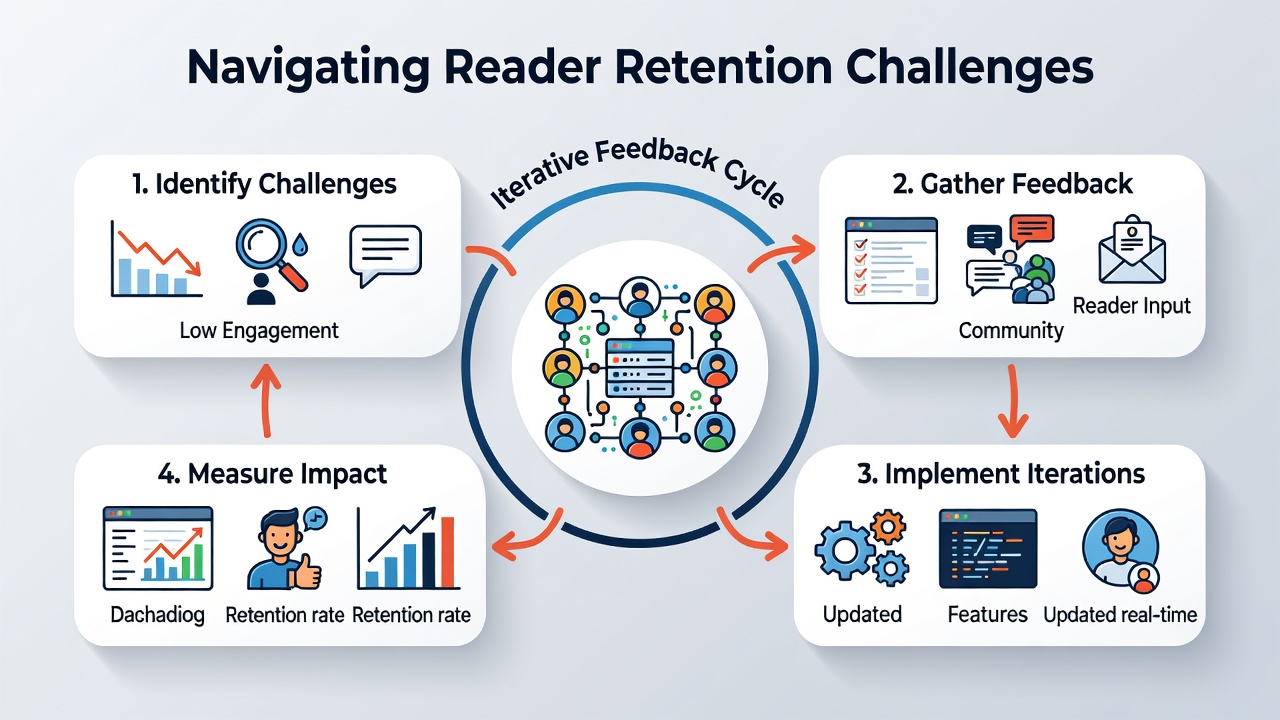
Those who monitor community health note that feedback cycles typically begin with baseline data collection through simple questionnaires distributed at regular intervals, and this information feeds into adjustments that are then tested in subsequent content rounds before new rounds of input are solicited. The process creates a loop where retention metrics such as return visits, comment volume, and session duration serve as indicators of whether implemented changes produce measurable improvements, and organizations including the Australian Communications and Media Authority have compiled reports on how regional digital groups apply similar loops to maintain active user bases.
Mechanics of Feedback Implementation
Communities structured around niche topics like technical hobbies or professional interests frequently employ layered feedback systems that combine quantitative analytics with qualitative responses gathered from threaded discussions, and these systems gain effectiveness when cycles repeat every four to six weeks to allow sufficient time for behavioral shifts to appear in the data. Experts observe that early cycle stages focus on identifying friction points such as slow response times from moderators or mismatched content depth, after which targeted experiments like revised welcome threads or scheduled live sessions are introduced and evaluated against prior benchmarks.
Turns out the integration of automated tools for sentiment tracking within posts helps streamline the analysis phase, while manual review of high-engagement threads provides context that raw numbers alone cannot supply, and this dual approach has been highlighted in research from institutions across the European Union that examined retention strategies in hobbyist networks. People who participate in these cycles report that transparency about how feedback influences decisions encourages continued input, which in turn sustains the loop and reduces the likelihood of silent attrition among long-term members.
Regional Variations and Data Trends
Observations from North American and Asia-Pacific platforms reveal differences in how feedback cycles are timed relative to cultural participation patterns, yet the core structure remains consistent with repeated measurement followed by refinement and retesting. Figures released in September 2026 from collaborative academic projects tracking global digital forums indicate that communities applying at least three full feedback iterations within a calendar year achieve higher average retention compared with those relying on one-time surveys, and the same datasets link sustained engagement to the presence of visible outcome summaries shared back with participants.
Industry groups such as the Interactive Advertising Bureau have compiled case examples from various countries demonstrating that specialized communities benefit when feedback collection methods evolve alongside platform features, including the addition of reaction emojis or integrated polling tools that lower barriers to response. The reality is that without these iterative adjustments, initial enthusiasm in niche groups often fades as content stagnates, whereas consistent cycles help surface emerging subtopics that keep discussions relevant to core audiences.
Measurement and Adjustment Protocols
Retention challenges become addressable when communities establish clear protocols for translating feedback into actionable changes, such as shifting from weekly newsletters to bi-weekly digests after members indicate preference for shorter formats, and subsequent cycles then measure open rates alongside unsubscribe figures to validate the shift. Academic analyses from Canadian research centers have outlined frameworks where retention is quantified through cohort analysis, tracking how specific user groups respond across multiple feedback rounds rather than relying on aggregate statistics alone.
And the inclusion of control groups within larger communities allows organizers to compare outcomes between segments exposed to iterated changes and those left unchanged, providing evidence that guides broader rollout decisions. What's interesting is how these protocols scale differently depending on community size, with smaller groups often completing cycles faster due to direct moderator access while larger ones require segmented sampling to maintain representative input.
Conclusion
Iterative feedback cycles offer structured pathways for addressing retention issues in specialized online communities by grounding adjustments in repeated data collection and testing, and the approach continues to appear in reports from diverse regulatory and academic sources worldwide. The ongoing application of these methods, including those referenced in September 2026 datasets, demonstrates measurable connections between cycle frequency and sustained member activity across varied digital environments.